Understanding 8tshare6a Software: A Complete Guide for Beginners
File sharing shouldn’t feel complicated.
Yet many people struggle with transferring data between devices, collaborating on projects, or sharing large files with team members. Finding the right software that’s both secure and easy to use can feel overwhelming.
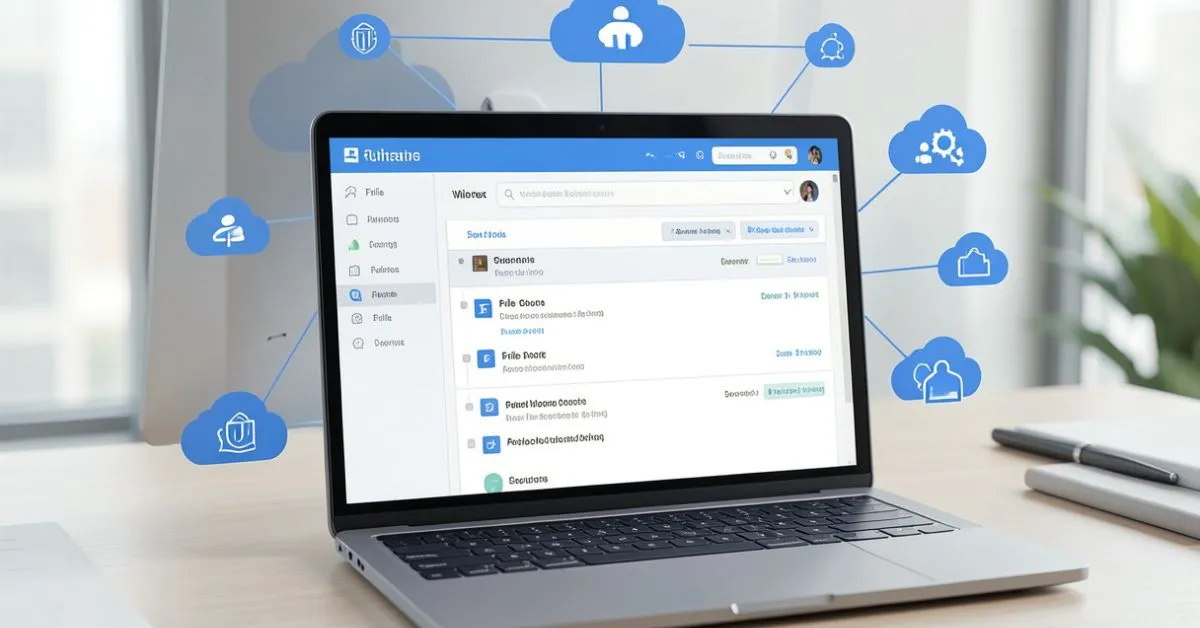
8tshare6a software is a file-sharing and data transfer application designed to help users move files between devices, collaborate with teams, and manage data transfers securely. It combines cloud-based storage with peer-to-peer sharing capabilities, allowing both individual users and businesses to share documents, media, and other digital files efficiently.
This guide explains everything you need to know about this software, from basic features to practical applications.
Quick Summary
8tshare6a software helps you share and transfer files quickly. It works across multiple devices, offers secure transfer options, and supports both cloud and direct sharing methods. Best for individuals and small teams who need reliable file transfer without complex setup.
What Exactly Is 8tshare6a Software?
At its core, 8tshare6a is a digital tool built for moving files.
Think of it as a bridge between your devices, cloud storage, and other users. Instead of emailing large attachments or using multiple apps for different tasks, you get one platform that handles various sharing needs.
The software combines several functions:
- File Transfer: Move documents, photos, videos, and other files between devices without cables or complicated setup.
- Cloud Integration: Store files temporarily or permanently in cloud space for easy access from anywhere.
- Collaboration Tools: Share folders with team members, control who can view or edit files, and track changes.
- Cross-Platform Support: Works on Windows, Mac, iOS, and Android devices, letting you share regardless of what hardware you use.
For example, a freelance designer in Seattle might use 8tshare6a to send large project files to clients without worrying about email attachment limits. The client receives a secure link, downloads the files, and both parties avoid the frustration of failed uploads.
How Does 8tshare6a Software Work?
The technology behind file sharing tools might sound complex, but the user experience stays simple.
When you install the application, it creates a secure connection between your device and the cloud servers. You can then choose how you want to share:
- Direct Device-to-Device: The software creates a peer-to-peer connection when both users are online. Files transfer directly without passing through external servers first. This method works faster for large files when both parties have good internet.
- Cloud-Based Sharing: Upload your file to cloud storage, and the system generates a shareable link. The recipient downloads from the cloud whenever convenient, even if your device is offline.
- Hybrid Approach: Some transfers start peer-to-peer and switch to cloud delivery if the direct connection drops. This flexibility prevents failed transfers.
The process typically involves these steps:
- Select files or folders you want to share
- Choose recipients or generate a link
- Set permissions (view only, download, edit)
- Send notification to recipients
- Track delivery and downloads
Security layers include encryption during transfer, password protection options, and expiring links that stop working after a set time.
Key Features That Make a Difference
Not all file-sharing tools offer the same capabilities. Here’s what sets this software apart:
Multiple Transfer Methods
You’re not locked into one way of sharing. Switch between methods based on your needs. Need to send something quickly to someone nearby? Use direct transfer. Sharing with someone in a different time zone? Cloud links work better.
Bandwidth Management
Some tools eat up your internet speed during transfers. Better options let you control how much bandwidth the application uses, so you can share files while still browsing or streaming without interruption.
File Preview
Before downloading a large file, recipients can preview documents, images, or videos. This saves time and bandwidth when someone just needs to check content quickly.
Batch Operations
Instead of selecting files one by one, you can share entire folders or multiple files simultaneously. This matters when working on projects with dozens of related documents.
Activity Tracking
See who downloaded your files, when they accessed them, and whether they viewed or edited documents. This transparency helps with accountability in team environments.
Who Actually Uses This Software?
Different groups find value in file-sharing applications for different reasons.
Freelancers and Independent Contractors: Share work samples, deliver final projects, and receive client materials without managing multiple platforms. A writer in Toronto might receive research documents from a client in Vancouver and deliver finished articles through the same tool.
Small Business Teams: Collaborate on documents, share resources, and maintain project files without investing in expensive enterprise solutions. A marketing agency with five employees can share campaign materials, images, and reports efficiently.
Content Creators: Transfer large video files, high-resolution images, or audio recordings that exceed email limits. A photographer shares wedding photo galleries with clients; a podcaster sends episode files to editors.
Students and Educators: Exchange assignments, share study materials, and collaborate on group projects. An online course instructor distributes lesson materials to students across different locations.
Remote Workers: Access work files from home, share documents with office colleagues, and maintain productivity regardless of physical location.
The common thread? People who need reliable file sharing without technical headaches.
Setting Up and Getting Started
Most file-sharing software aims for quick setup, and this one follows that pattern.
- Installation: Download the application from the official website, run the installer, and follow the prompts. The process takes about 3-5 minutes on most systems.
- Account Creation: Provide an email address and create a password. Some platforms offer sign-up through existing Google or Microsoft accounts to skip extra passwords.
- Initial Configuration: Choose storage preferences, set default sharing permissions, and decide whether to sync specific folders automatically.
- First Share: The interface usually includes a tutorial or guided first transfer to help you understand the workflow.
New users often start with simple tasks. Try sharing a single document with yourself across two devices. Once you see how quickly that works, expand to sharing with others or transferring larger files.
Comparing Features: What to Look For
| Feature | Basic Version | Premium Version | Enterprise Level |
|---|---|---|---|
| Storage Space | 2-5 GB | 50-100 GB | Unlimited or custom |
| File Size Limit | 100-250 MB | 2-5 GB | 10+ GB |
| Transfer Speed | Standard | Priority bandwidth | Dedicated servers |
| Users/Devices | 1-2 | 3-5 | Unlimited |
| Security Features | Basic encryption | Advanced encryption + 2FA | Custom security protocols |
| Support | Email only | Priority support | Dedicated account manager |
This comparison helps you understand what tier matches your needs without overpaying for features you won’t use.
Security Considerations
Sharing files online always raises security questions.
Good software addresses these concerns through multiple layers:
- Encryption: Files encrypt during transfer, meaning even if someone intercepts the data, they can’t read it without the decryption key.
- Access Controls: Set who can view, download, or edit files. Revoke access anytime, even after sending a link.
- Expiring Links: Share links that automatically stop working after a set period, preventing old links from remaining accessible indefinitely.
- Two-Factor Authentication: Protect your account with an extra verification step beyond just a password.
- Activity Logs: Monitor who accessed what and when, helping you spot unauthorized access attempts.
However, no system is perfect. Always consider what you’re sharing. Financial records, personal identification, or sensitive business data might require additional security measures beyond standard file sharing.
Common Challenges and Solutions
Even good software has limitations. Here’s what users commonly encounter:
Slow Uploads on Large Files: If you have slower internet, uploading gigabyte-sized files takes time. Solution: Schedule large transfers during off-peak hours, or split archives into smaller parts.
Compatibility Issues: Occasionally, specific file types or older operating systems cause problems. Solution: Check system requirements before assuming it will work on every device.
Storage Limits: Free tiers run out of space quickly with regular use. Solution: Clean up old shared files periodically, or upgrade when the free tier no longer serves your needs.
Link Management: After sharing many files, tracking which links go where gets messy. Solution: Use descriptive names for shares and organize them into folders or categories.
Practical Tips for Better Results
Small adjustments improve your experience significantly.
- Organize Before Sharing: Put related files in a folder first, then share the folder instead of individual files. Recipients get everything in one place.
- Use Meaningful Names: Instead of “Document1.pdf,” name files descriptively: “Q1_Sales_Report_2024.pdf” helps everyone understand content at a glance.
- Set Appropriate Permissions: Default to view-only access unless recipients specifically need to edit. This prevents accidental changes to original files.
- Test with Yourself First: Before sending important files to clients or colleagues, share with your own secondary email. Verify the recipient experience works as expected.
- Clean Up Regularly: Delete old shares and unused files to free up storage and keep your workspace organized.
- Check Internet Speed: Run a speed test before transferring large files. If your upload speed is slow, consider alternative timing or methods.
Alternatives and How They Compare
Understanding the landscape helps you make informed choices.
- Dropbox: More established, broader integration with other apps, higher cost for storage.
- Google Drive: Excellent if you already use Google Workspace, generous free tier, less focused on direct peer-to-peer transfer.
- WeTransfer: Very simple interface, great for one-off large transfers, limited features for ongoing collaboration.
- OneDrive: Best if you use Microsoft products extensively, tight Windows integration, business-focused features.
Each tool has strengths. The right choice depends on your specific workflow, budget, and ecosystem preferences.
Making the Decision: Is It Right for You?
Consider these questions:
Do you regularly share files larger than email allows? Do you need a simple way to collaborate without learning complex software? Are you looking for something more affordable than enterprise solutions but more capable than basic email?
If you answered yes to these questions, file-sharing software like this probably fits your needs.
If you rarely share files, work in a highly regulated industry requiring specialized security, or need advanced project management beyond simple file sharing, you might need different tools.
The best software matches your actual usage patterns, not theoretical features you think you might need someday.
Conclusion
File sharing doesn’t need to feel complicated or risky.
Good software removes friction from the process, letting you focus on your work instead of wrestling with technology. Whether you’re sending a few photos to family or collaborating on business projects, the right tool makes everything smoother.
Start simple. Try basic features first, see how they fit your workflow, then expand usage as you get comfortable.
The landscape of digital collaboration keeps evolving. Tools improve, new features emerge, and better options appear regularly. Stay open to learning, but don’t feel pressured to adopt every new feature immediately.
What matters most? Finding something reliable that actually works for your specific needs.
Frequently Asked Questions
What is 8tshare6a software used for?
8tshare6a software transfers files between devices and shares data securely with other users. It helps move documents, images, videos, and other files without email attachments or physical storage.
Is 8tshare6a software free to use?
Yes, most versions offer free tiers with basic features and limited storage (2-5 GB). Paid plans remove restrictions and add larger storage, faster transfers, and advanced security features.
Can I use 8tshare6a software on multiple devices?
Yes, it works across Windows, Mac, iOS, and Android. Files sync when you log in with the same account, letting you access them from any device.
How secure is sharing files through this software?
The platform uses encryption, password protection, and two-factor authentication. Security also depends on your habits—use strong passwords and review access permissions regularly.
What file types can I share using 8tshare6a software?
You can share nearly all file types including documents, images, videos, audio, and archives. The main limit is file size, not file type—free plans typically cap at 100-250 MB per file.
How long do shared links remain active?
You can set custom expiration times from hours to indefinite. For security, setting 7-30 day limits is recommended. You can also deactivate links manually anytime.
About the Author